Since 2026, 888 solar panels on the roof have produced about a quarter of the energy of a resort above the Orbetello lagoon. Environmental measures with a figure attached are rare in luxury hotels: here is where to find them.
"Sustainable" is a word found everywhere in luxury hotels and rarely measured. What counts are the measures backed by a fact or a figure, stated by the hotel or the golf club: these are claims made by the properties, not independent audits.
It helps to separate three levels, because a golf resort is asked for three things: the building (energy, heating), the course (water, chemical treatments, certifications) and the table and the land (gardens, local producers, biodiversity).
Argentario: the building and the course, both with figures
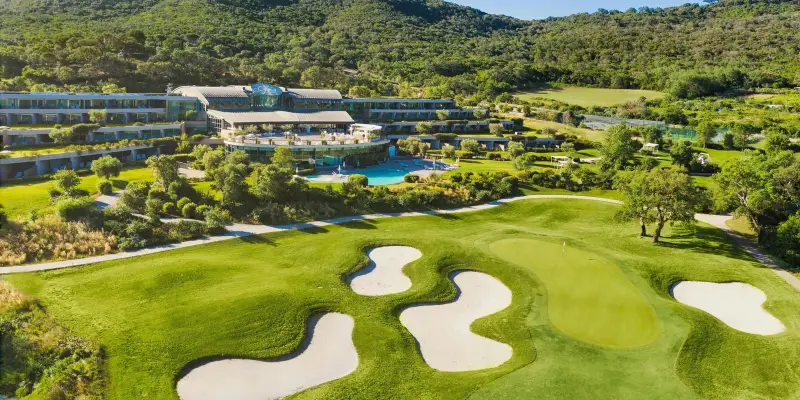
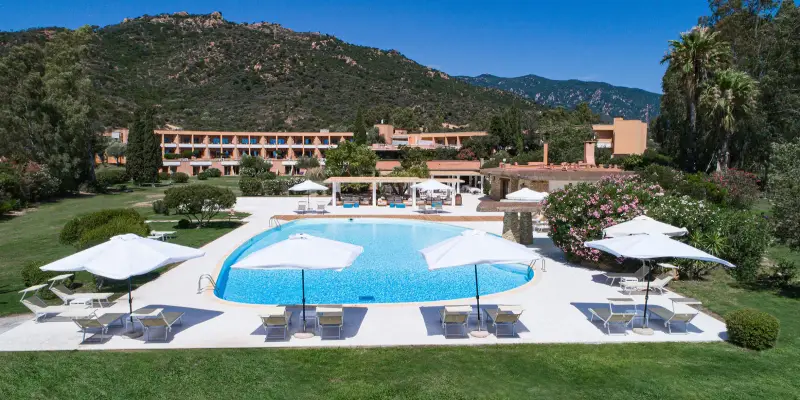
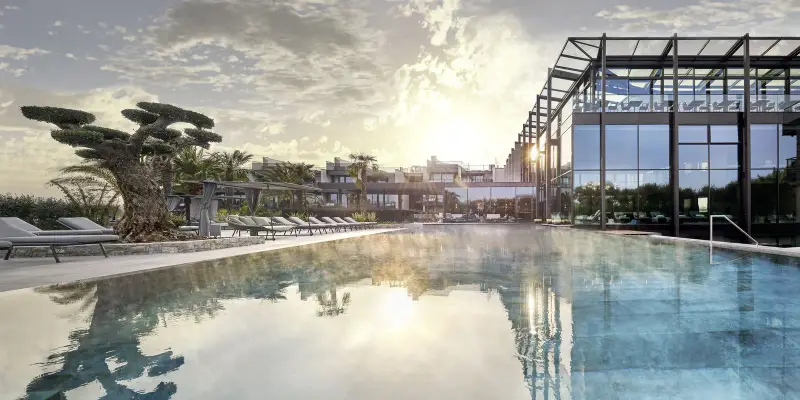
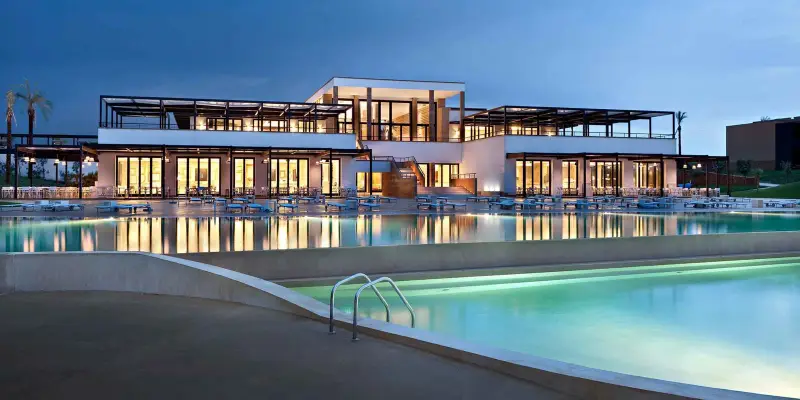
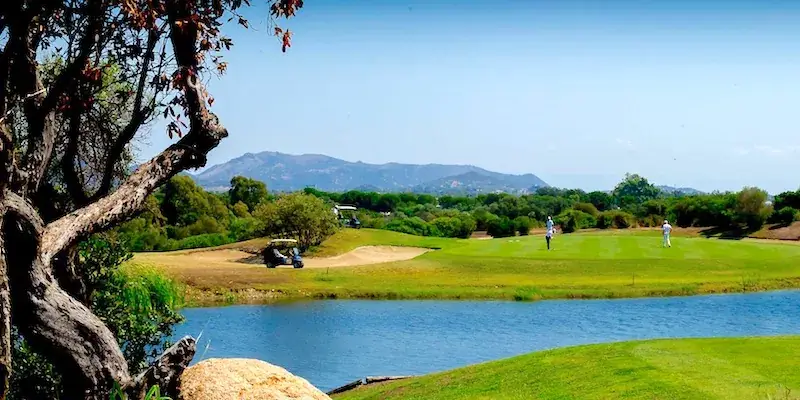
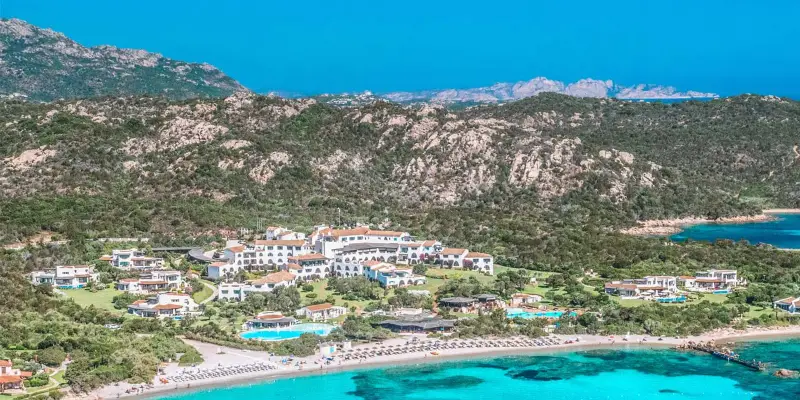
The Argentario Golf & Wellness Resort is the best-documented case. On the roof, according to the resort, 888 panels have produced more than 545,000 kWh a year since 2026, about a quarter of its needs, and heat pumps have replaced the diesel boilers. Since opening, more than 400,000 plants have been put in the ground and, the resort says, species such as the northern bald ibis have returned; part of the vegetables, herbs, honey and oil comes from the estate's organic garden.
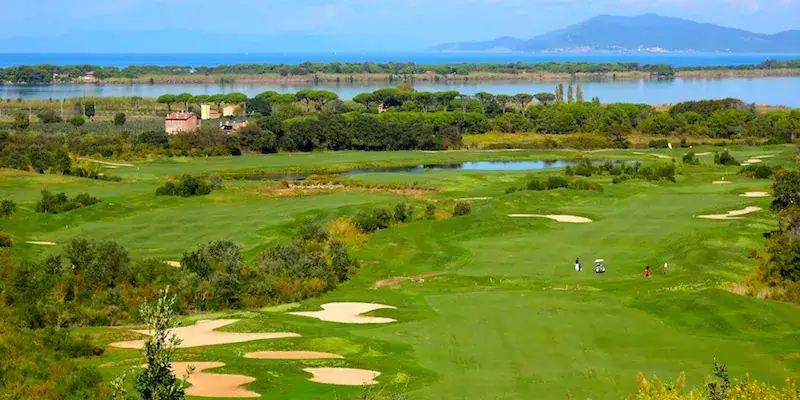
The course, opened in 2006, holds the BioAgriCert certification: maintenance uses only natural products, and it was the first Italian course to obtain it. The Italian Open in June 2025, played here, was the first with ISO 20121 certification for sustainable event management.
Saturnia: thermal water on the grass
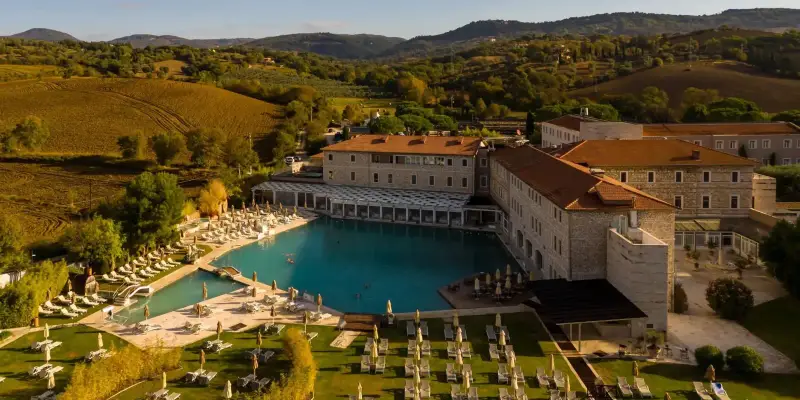
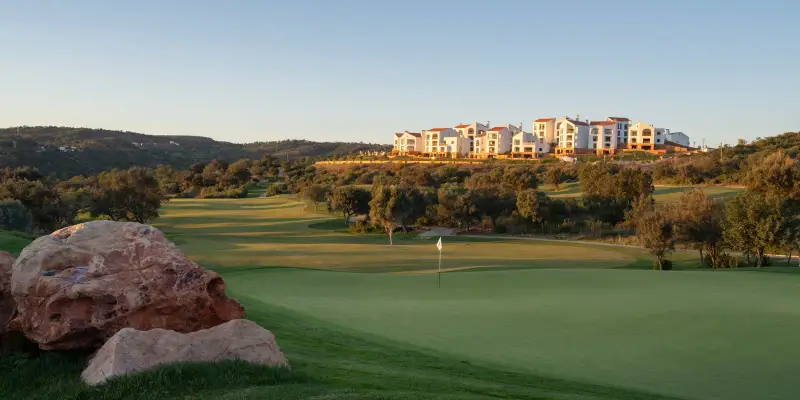
At Terme di Saturnia the theme is water. The drainage of the course is connected to the lakes, which collect rain for reuse; the grass varieties chosen allow, according to the resort, a saving of about 30% of water; and once a week the greenkeepers treat the turf with thermal water, whose sulphur prevents fungal diseases without insecticides or pesticides. In 2014 the course obtained the GEO certification of the Golf Environment Organization and the "Impegnati nel Verde" recognition of the Italian Golf Federation.
Sardinia, Sicily, Apulia: irrigation, gardens, seeds
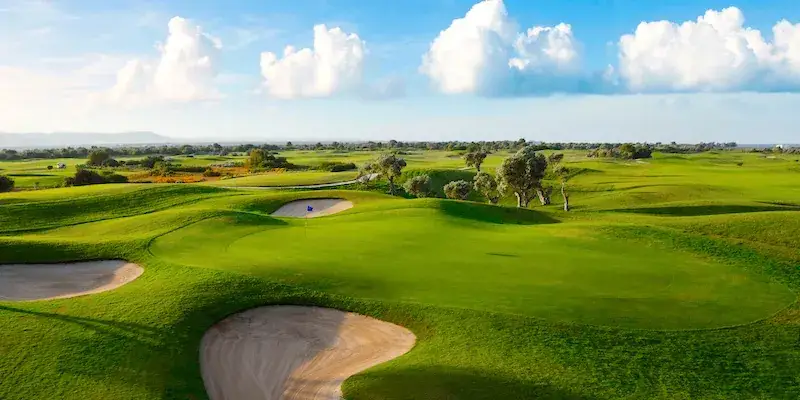
At Is Molas the 9-hole Yellow course has been reseeded with Bermuda grass, more resistant to heat, and has been playable since 31 December 2025; the irrigation system of the whole complex is being replaced to cut water consumption by at least 30%, and 18 holes are currently complete. The club states the goal, not the result: it is worth knowing.
At Verdura, in Sicily, the treatments at the Irene Forte Spa use plants from the resort's organic garden, and the Scirocco Bar makes cocktails with herbs grown at the resort; the garden also supplies, according to the hotel, the botanical ingredients for the spa products of Masseria Torre Maizza, in the same group.
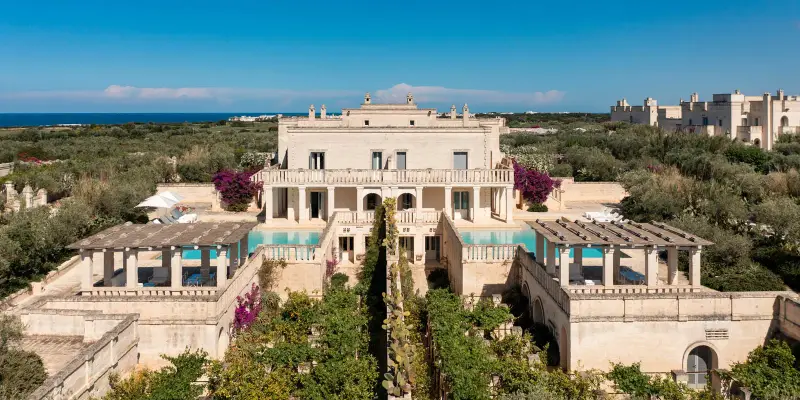
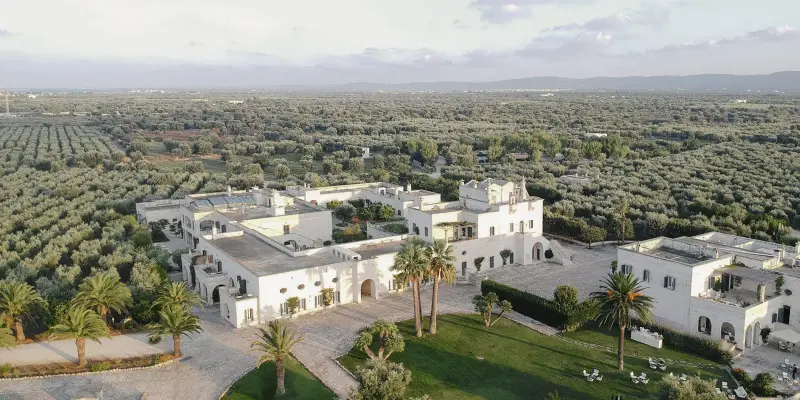
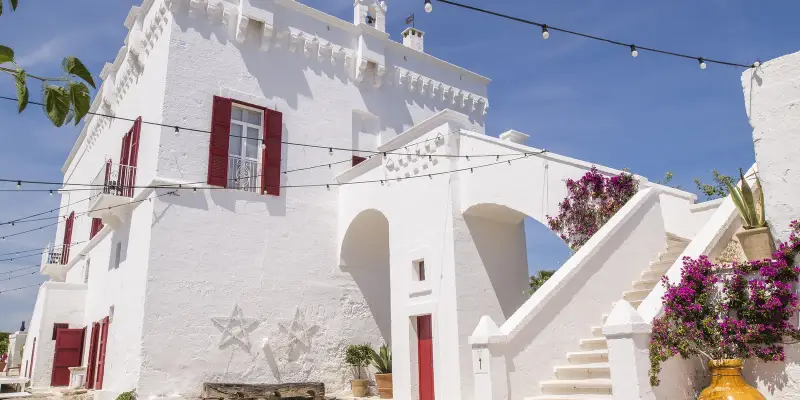
In Apulia, San Domenico Golf, under the same ownership as Masseria San Domenico, holds the GEO Certified label. Borgo Egnazia grows ancient, local varieties at risk of disappearing in its regenerative gardens, recovered through the Casa delle Sementi project, and they also supply the kitchen of the Due Camini restaurant. Masseria Torre Coccaro cooks with produce from the masseria's organic farm and has restored the cisterns built centuries ago by Marquis Palmieri to collect rainwater, now back in use.
Tuscany and South Tyrol: local wood, pellets, soil and satellites
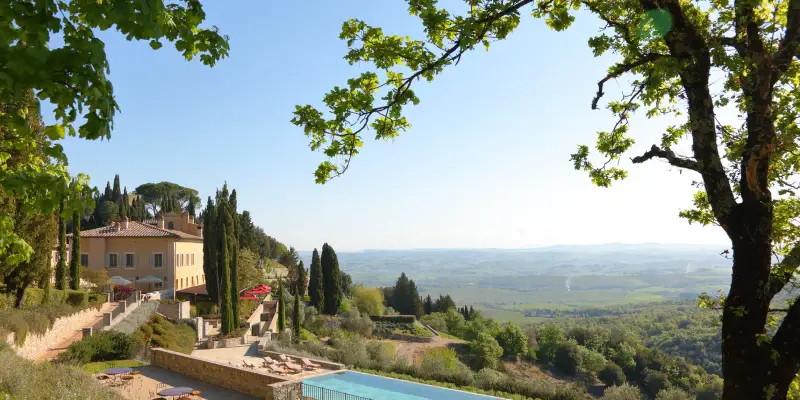
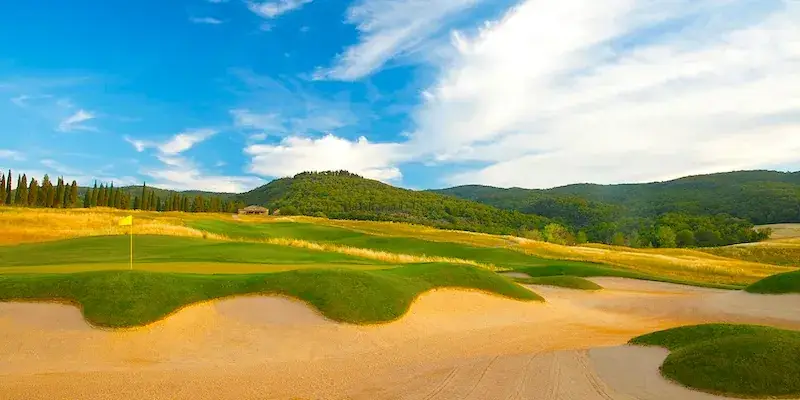
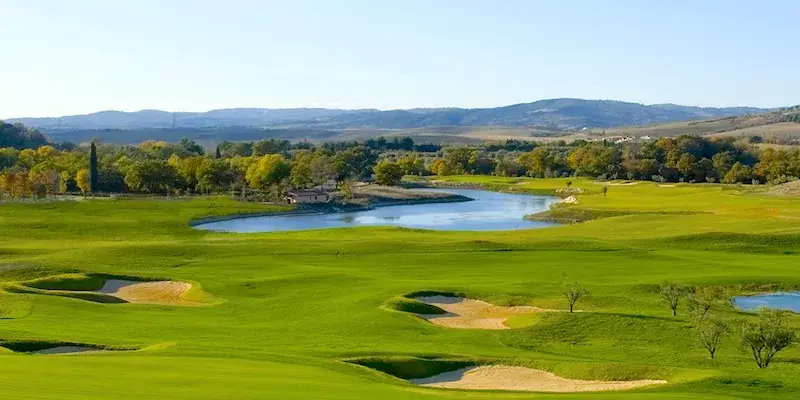
Castiglion del Bosco completed an investment in its course in 2023-24: 135,000 metres of drainage to play all year round, drought-resistant grasses, more areas of native grass and targeted irrigation that, the club says, has cut water consumption by 20 per cent. The course is private; access is for hotel guests and by invitation.
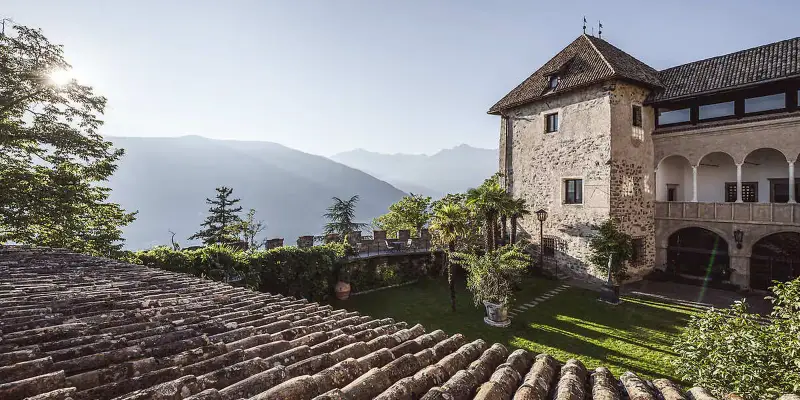
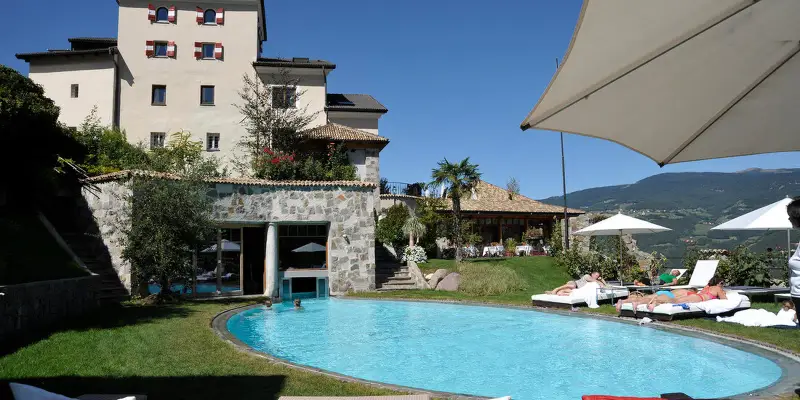
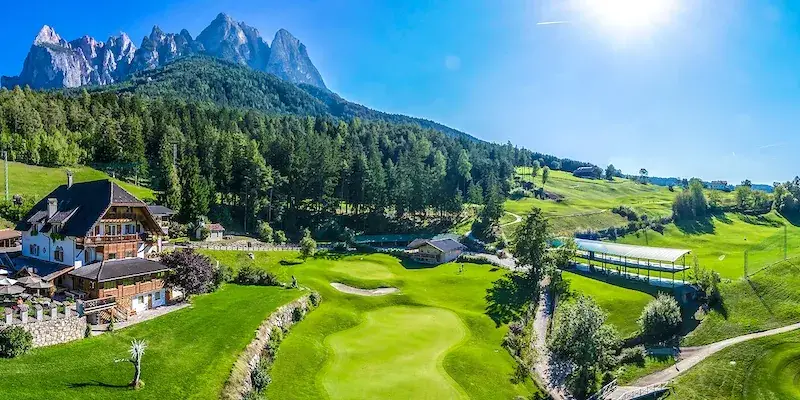
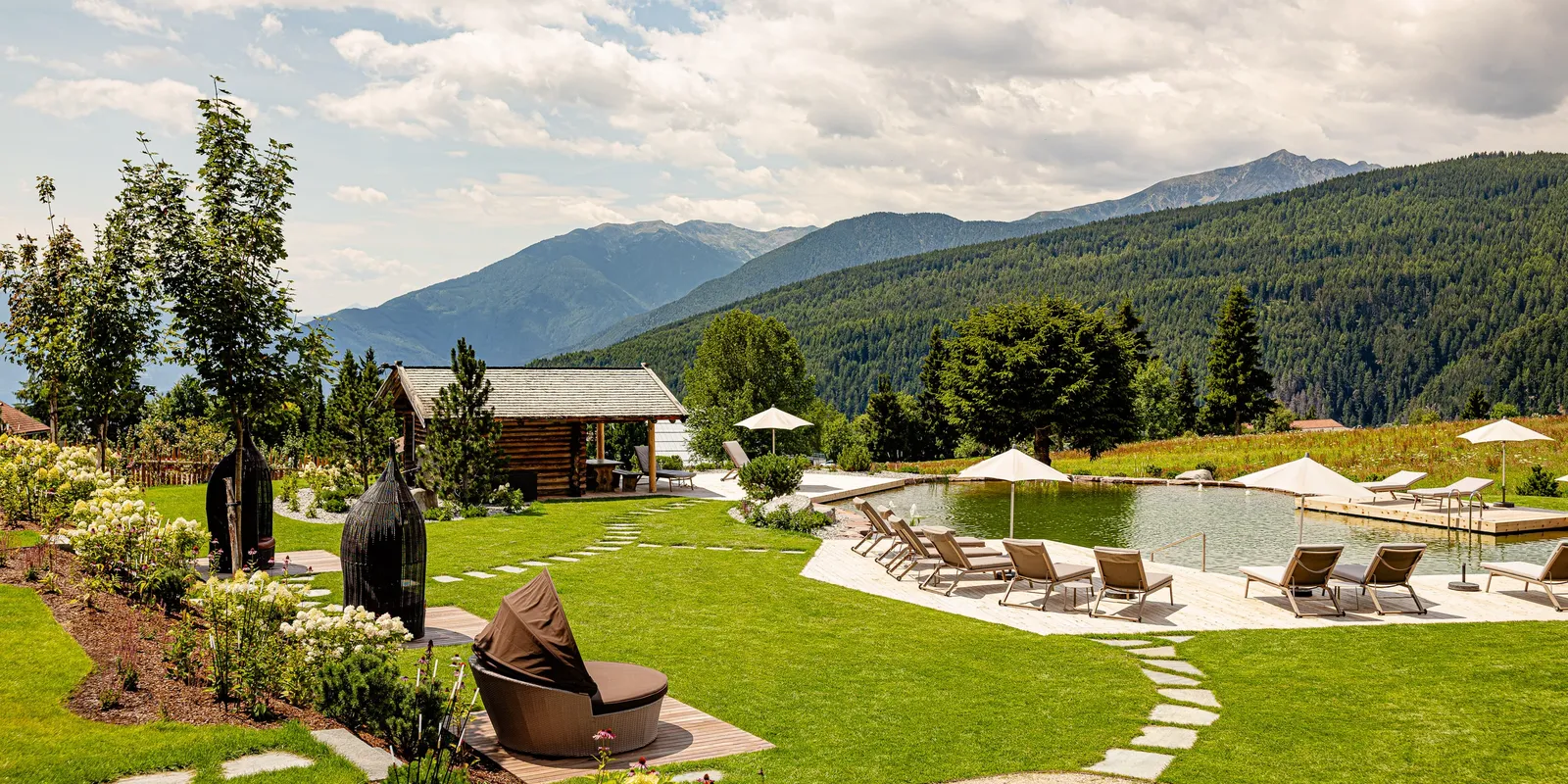
In South Tyrol, Castel Fragsburg renovated the second and third floors of the historic building in 2015 with local wood and is heated by pellets and solar panels; its Soul Garden is cultivated with the Merano Youth Service and the herbs end up in the spa's tinctures. The Golf St. Vigil Seis, a partner course of the Romantik Hotel Turm, has irrigation regulated by soil moisture measured by satellite, drought-resistant grasses and the goal of cutting water consumption by 30% by 2030.
In Salento, Posia Retreat & SPA is, according to the hotel, an ITACA-certified building, with about 40% of its hot water heated by solar energy.
Electric charging: the last kilometre
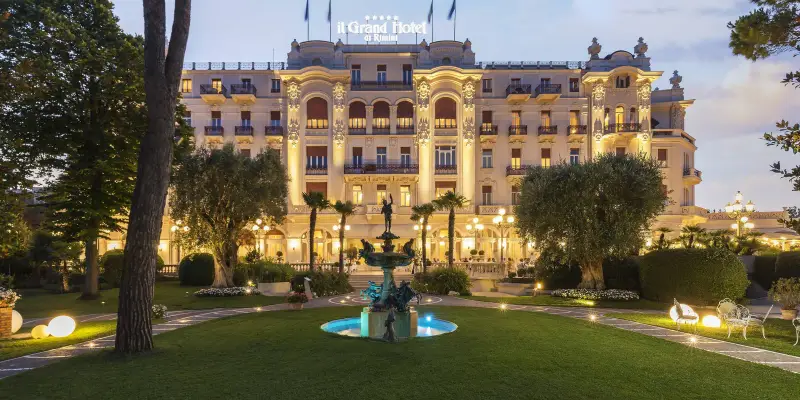
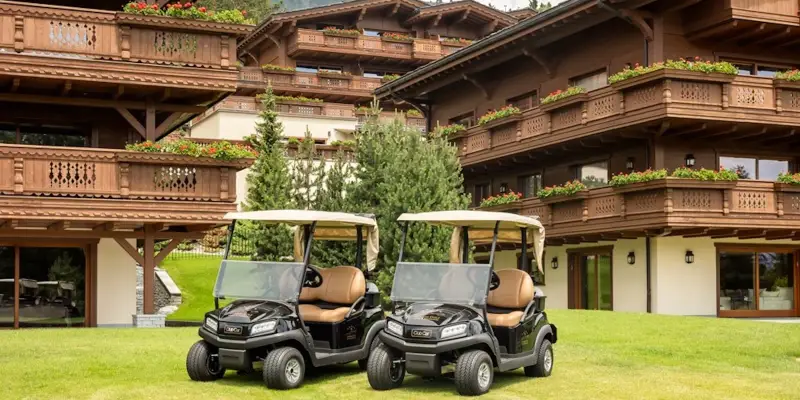
A more modest but verifiable fact concerns the car, which for a golfer on holiday is often unavoidable. The Grand Hotel Fasano, on Lake Garda, has free private parking with four charging points for electric cars; at Posia the charging points are available to all guests, and those arriving in a Porsche charge for free thanks to an agreement with the manufacturer; the Quellenhof in Lazise has charging points, but they are paid; the Grand Hotel Rimini lists one. These are services, not environmental policies, but they show whether the hotel has thought of those who travel by battery.
How to read the claims
- A figure with its year: the Argentario's 545,000 kWh apply from 2026; the 30% at Is Molas is a goal under way, and the one at St. Vigil Seis is set for 2030.
- Who certifies what: BioAgriCert and GEO concern the course, ISO 20121 an event, ITACA the building. They are not equivalent and do not add up.
- Hotel and course are often two separate entities: at Villa Arzaga, for example, the club is run by a different company from the hotel; it is worth asking who owns the measure.
- Be wary of anything without a figure: if a hotel does not say how much energy or how much water, sustainability remains an intention.
Curiosities
- An ibis that came back. According to the Argentario resort, species such as the northern bald ibis have returned since it opened.
- A course tended with spring water. At Saturnia the sulphur of the thermal water replaces, by the resort's account, insecticides.
- Centuries-old cisterns back in use. At Torre Coccaro the rainwater cisterns built by Marquis Palmieri have been restored.
- A social garden. At Castel Fragsburg the garden is cultivated with the Merano Youth Service.
Frequently asked questions
Are there luxury golf resorts certified for sustainability?+
Yes: the Argentario course holds the BioAgriCert certification, the Terme di Saturnia course the GEO (2014), and San Domenico Golf is GEO Certified. These are course certifications, stated by the properties.
What does GEO mean for a golf course?+
It is the Golf Environment Organization's certification of a course's sustainability: Terme di Saturnia (2014) and San Domenico Golf state that they hold it.
Which hotel produces part of its own energy?+
According to the resort, the Argentario, with 888 panels that since 2026 have produced more than 545,000 kWh a year, about a quarter of its needs.
How much water does course irrigation save?+
It depends: Castiglion del Bosco states a 20% cut, Terme di Saturnia about 30% with the grasses chosen, Is Molas aims for at least 30%, St. Vigil Seis for 30% by 2030.
Are organic gardens a reliable criterion?+
They are a verifiable fact, not a certification: Argentario, Verdura, Torre Coccaro and Borgo Egnazia state that they have them. Ask the hotel where the produce comes from.
What does BioAgriCert certification mean for a golf course?+
At the Argentario it means that course maintenance uses only natural products: according to the resort, it was the first Italian course to obtain it.