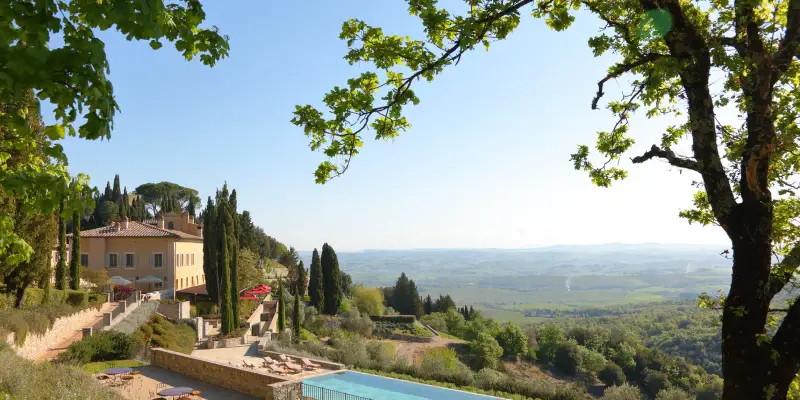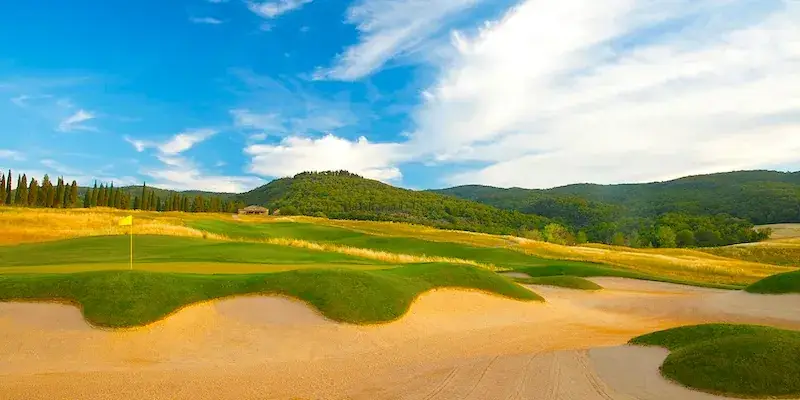
At Castiglion del Bosco, in Montalcino, the nineteenth hole is a short par 3 where anyone who wants to settle the match plays for a magnum of Brunello: a gift for golfers that the club has already invented.
Giving wine to a golfer works best when the bottle tells the story of a place where they have played, or would like to play. The six denominations below come from regions where golf is played, and for each one the figures come from the official production rules or the pages of the protection consortia. Before buying and shipping, also check the destination country's rules on transporting alcohol.
1. Franciacorta Satèn: the wine that gives its name to the holes
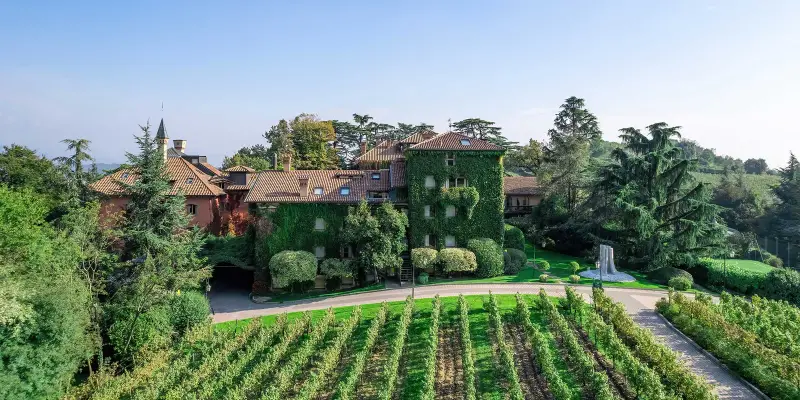
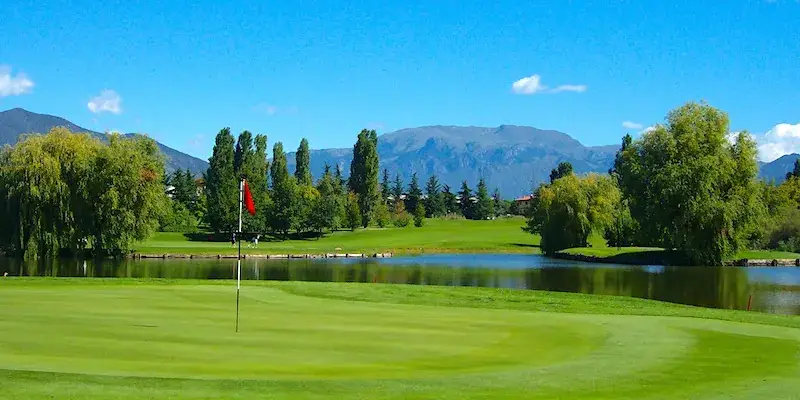
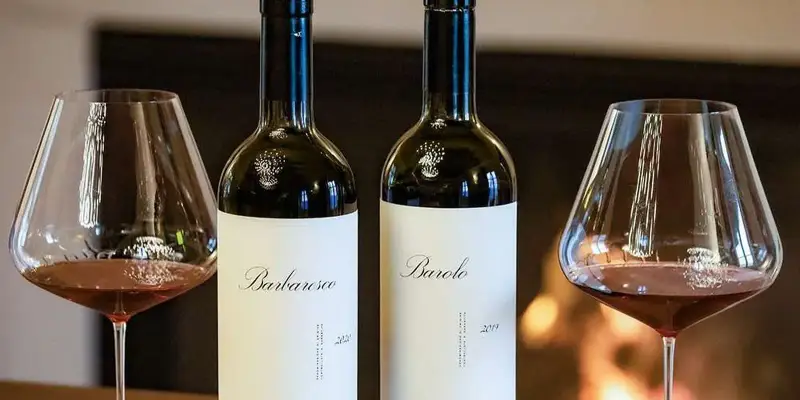
The Franciacorta Golf Club has three nine-hole loops named after three types of Franciacorta: Brut, Satèn and Rosé. The club was founded in 1984 by Vittorio Moretti, an entrepreneur and wine producer. It is therefore the gift with the most direct link to golf.
According to the Consorzio, Satèn has fruity notes with a pleasing savouriness and freshness and pairs with delicate dishes; Brut, with less than 12 grams per litre of residual sugar, is described as the most versatile type. A Satèn is the prudent choice for someone you do not know well. To stay in the area there is L'Albereta, in Erbusco.
2. Brunello di Montalcino: one to wait for
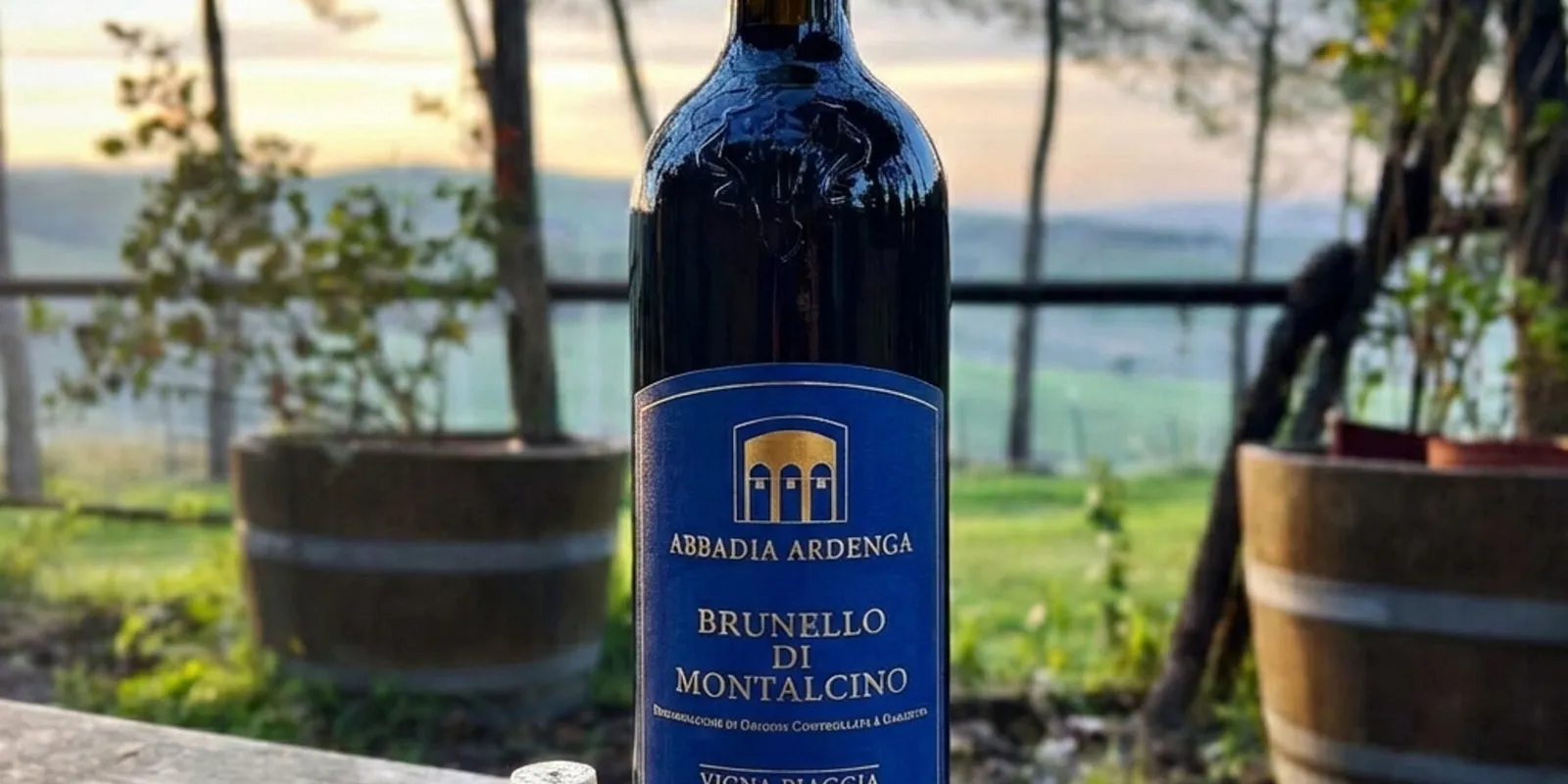
The production rules are clear-cut: Sangiovese grapes only, at least twenty-four months in oak containers and at least four months of bottle ageing (six for the Riserva). The wine cannot be released before 1 January of the year following five years after the harvest, six for the Riserva. The rules add that it keeps in the cellar for a minimum of ten to thirty years, depending on the vintage, with the bottles laid on their side in a cool, dimly lit place.
It is the gift to “put down in the cellar”: say so to the recipient. Castiglion del Bosco was among the 25 founding members of the Brunello Consortium in 1967, and its club has the Brunello Hole: the course is private and open to guests of the hotel.
3. Etna: a red and a white from a volcano
The production rules for Etna DOC, approved by presidential decree in 1968, require at least 80% Nerello Mascalese for the red; for the white, at least 60% Carricante, and 80% for the white superiore. The vines grow at altitudes between 300 and 900 metres, up to 1,100. The red may be called Riserva only after at least four years of ageing in the production zone, at least 12 months of them in wood.
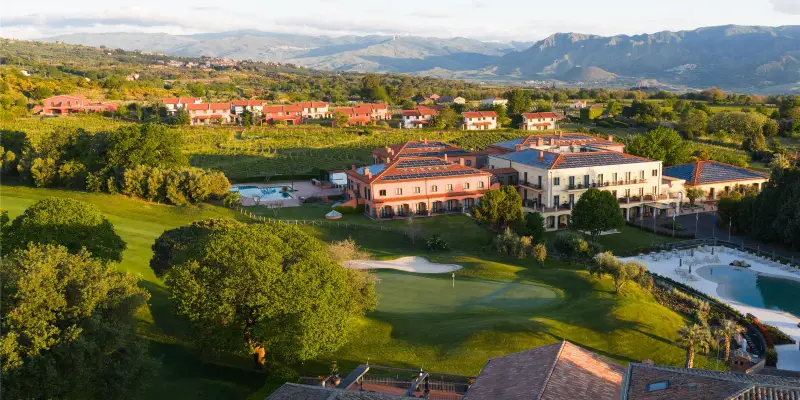
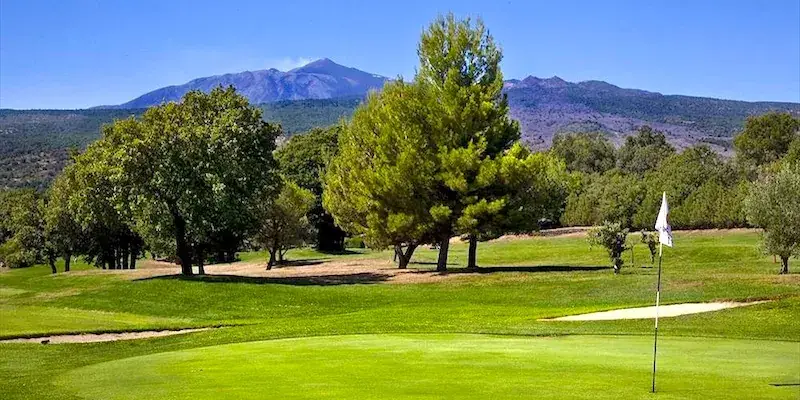
The right bottle for someone who has played in Sicily is an Etna Bianco or Rosso. The course is Picciolo, with tees set into the lava: the hotel is Il Picciolo Etna Golf Resort & Spa, which has a dining room, Olio & Vino, built around Etna DOC wines and the oils of the area.
4. Vermentino di Gallura: the white of the Costa Smeralda
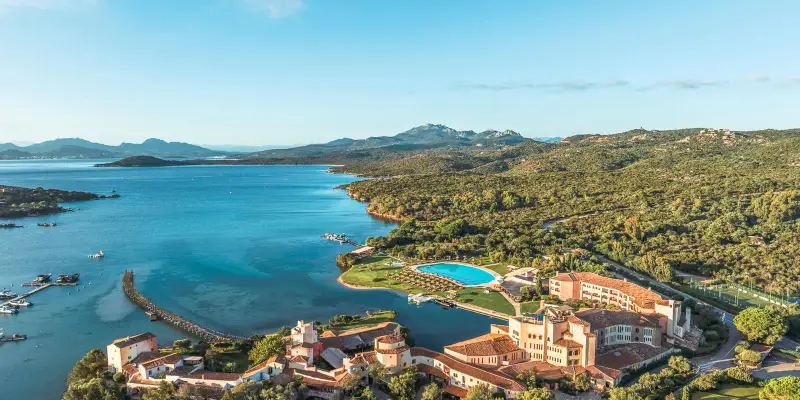
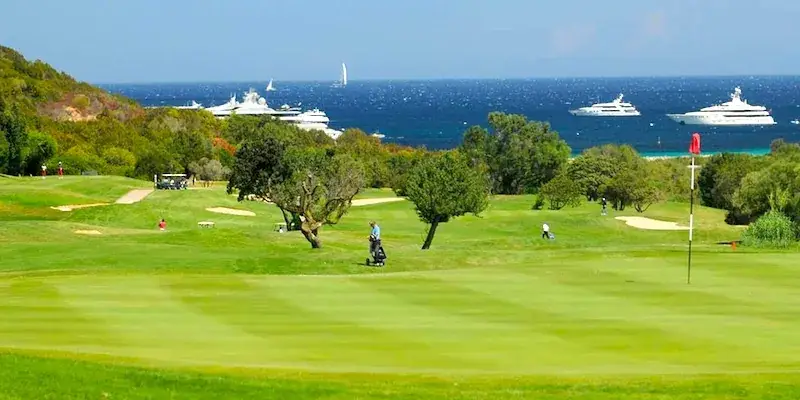
Under the production rules, the Vermentino di Gallura DOCG requires at least 95% Vermentino, vineyards on granite soil at no more than 500 metres and a zone of 23 municipalities, among them Arzachena, where the Costa Smeralda lies. The Superiore has at least 13% total alcohol by volume. It is a gift to bring back after a trip to the Pevero Golf Club; in the area you can stay, among others, at the Cala di Volpe.
5. South Tyrol: Lagrein, Gewürztraminer, Pinot Blanc
The South Tyrol wine portal reports 5,860 hectares, 65% white grapes and 35% red, with vineyards between 200 and 1,000 metres and 96% of the area under DOC; among the grape varieties it lists Pinot Blanc, Sauvignon and Gewürztraminer among the whites, Lagrein, Schiava and Pinot Noir among the reds. It is the right gift for someone looking for a mountain white. Lagrein and Vernatsch are presented by the portal as the two native grape varieties that best tell the story of the territory.
6. Primitivo di Manduria: the full-bodied red
At least 85% Primitivo, 13.50% total alcohol by volume minimum for the DOC and 14% for the Riserva, which must age 24 months, at least 9 of them in wood: these are the figures from the production rules. It is a structured wine, the gift for someone who loves full-bodied reds; remember, however, that in Fasano, where you play at San Domenico Golf, Primitivo di Manduria is not made: the production zone is in Taranto and Brindisi, and Fasano is not among the municipalities listed.
How to choose the right bottle
- Find out what the golfer drinks. A fresh white or a sparkling wine suits almost everyone; an important red requires knowing whether they will appreciate it.
- Check the vintage. For Brunello the production rules set a minimum of five years from the harvest before sale.
- A bottle with a course story (Franciacorta, Brunello) has more to tell than a famous label with no link to the game.
- Shipping or checked luggage: liquids are not allowed in hand luggage above 100 ml, except at some airports that make exceptions; better to use the hold or a specialist courier.
Did you know
- A magnum as a prize. At Castiglion del Bosco the Brunello Hole puts up a magnum of Brunello as the prize.
- Three nines, three wines. The nine-hole loops of the Franciacorta Golf Club are called Brut, Satèn and Rosé.
- A Riserva of four years. For Etna Rosso Riserva the production rules require at least four years of ageing in the production zone, 12 months of them in wood.
Frequently asked questions
Which wine should you give a golfer?+
Bottles with a link to a course work best: Franciacorta (the nine-hole loops of the Franciacorta Golf Club), Brunello di Montalcino (the Brunello Hole at Castiglion del Bosco) or an Etna near Picciolo.
How long must a Brunello di Montalcino age?+
According to the production rules, at least 24 months in oak and 4 months in bottle; it cannot be sold before 1 January of the year following five years after the harvest (six for the Riserva).
What is the difference between Etna Bianco and Etna Bianco Superiore?+
Carricante must make up at least 60% of the white and 80% of the white superiore, according to the production rules.
Where does Vermentino di Gallura come from?+
From 23 municipalities, 22 in Gallura and Viddalba in the province of Sassari, from vineyards on granite soil at no more than 500 metres.
Can you take a bottle on a plane?+
In hand luggage only in containers of 100 ml or less, except at airports that apply the rules on larger liquid volumes; in the hold without the 100 ml limit.