A chamber at minus 85 degrees inside an Alpine spa, a couples' session included in a Tuscan golf package: cryotherapy has reached golfers' hotels, but research has yet to show that it does what it promises.
Whole-body cryotherapy is exposure to extremely cold air, offered for muscle recovery and wellbeing. The scientific evidence that it works is insufficient, and the US health authorities have warned that the devices have not been approved to treat medical conditions. It remains a spa experience: if you are curious, talk to your doctor first.
What whole-body cryotherapy is
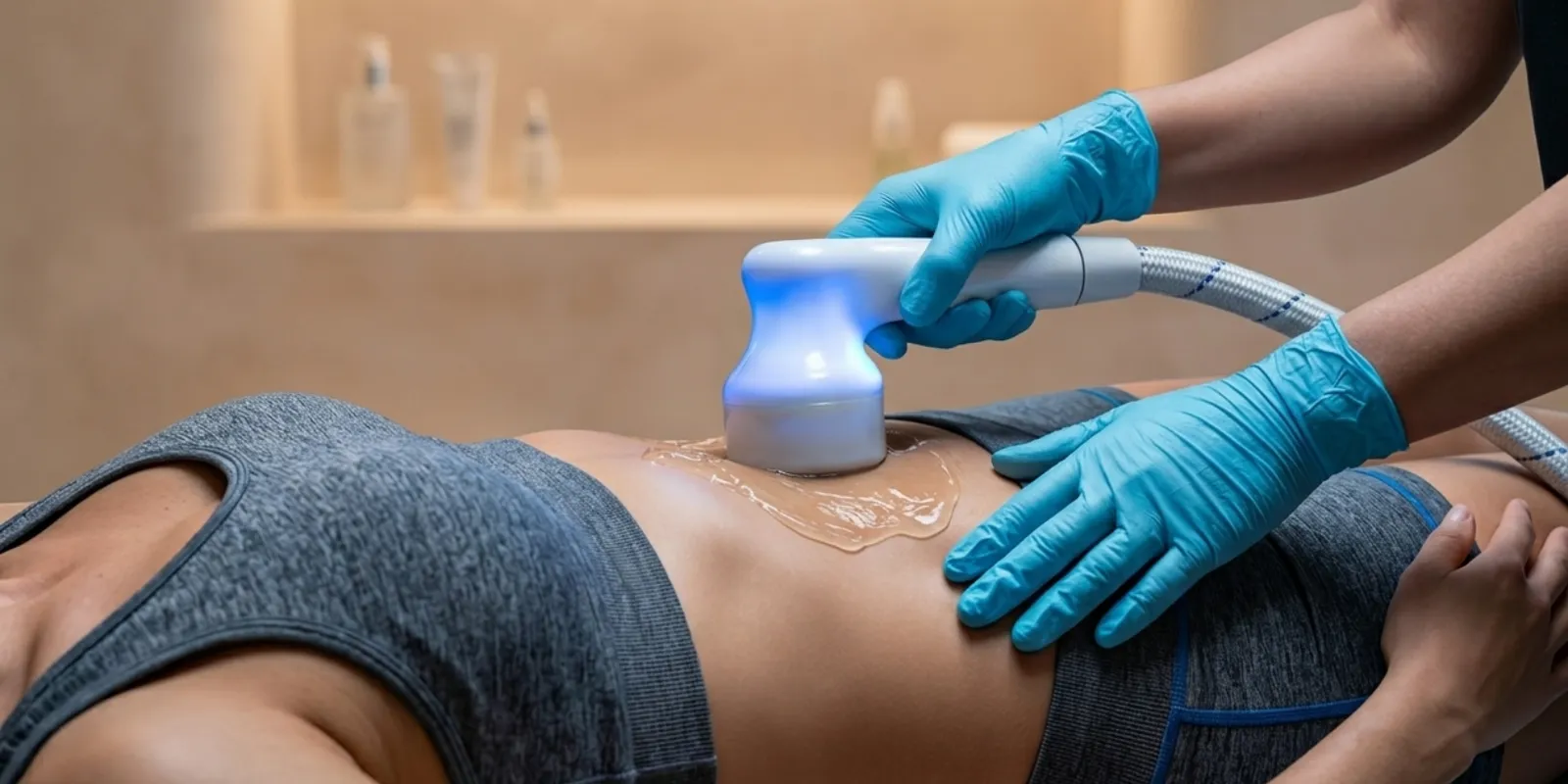
The word "cryotherapy" covers different practices. The one found in hotels is whole-body cryotherapy (WBC): you are exposed to air cooled to extreme temperatures (the 2015 Cochrane review defines it as extreme cold air exposure). Among golf hotels, the Andreus Golf & Spa Resort, in South Tyrol, advertises a cryogenic chamber at −85 °C.
It should not be confused with a cold pack on an ankle or with immersion in an ice-water bath: WBC is cold air, not water.
What it is for, according to those who offer it
Those who offer it credit it with benefits such as faster recovery after training and better circulation and metabolism. According to UPI, which in July 2016 reported the FDA's warning (the US health authority), the benefits promoted also included relief from arthritic pain, fibromyalgia, migraine and anxiety.
What the research says
The most authoritative source on muscle recovery is a 2015 Cochrane review (Costello and colleagues), which analysed four randomised trials involving 64 physically active young adults, with an average age of 23. The evidence for a reduction in muscle soreness in the hours after exercise was of very low quality, with confidence intervals that also included no difference at all. The authors' conclusion is blunt: there is "insufficient evidence" to establish whether whole-body cryotherapy reduces soreness or improves subjective recovery compared with simple rest. They add that the lack of data on adverse events is a problem, because exposure to extreme temperatures is a potential hazard.
It is worth remembering that the review dates from 2015 and concerns active young adults, not golfers.
What the FDA said
In July 2016 the FDA published a consumer warning. According to UPI on 8 July 2016, the agency pointed out that it had neither cleared nor approved whole-body cryotherapy devices as safe and effective for treating medical conditions; an FDA official, Aron Yustein, said that consumers may wrongly believe otherwise. The warning listed among the risks asphyxiation (in particular with liquid nitrogen), loss of consciousness from lack of oxygen, frostbite, burns, eye injuries and the possible worsening of existing medical conditions, and noted that the effects on blood pressure, heart rate and metabolism are unclear.
Where to find it at golf hotels
Three properties offer it:
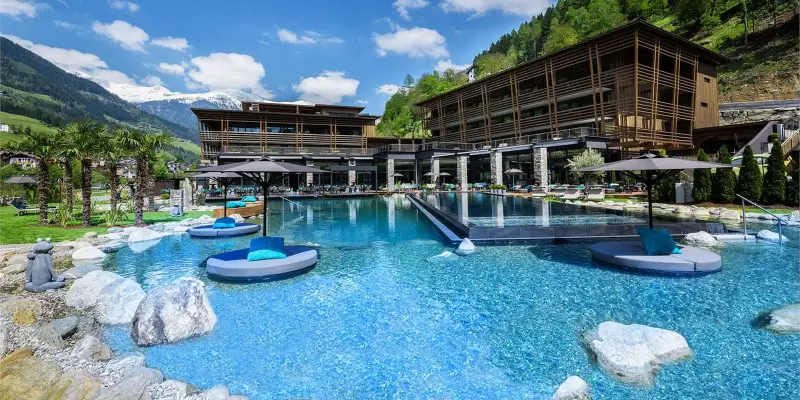
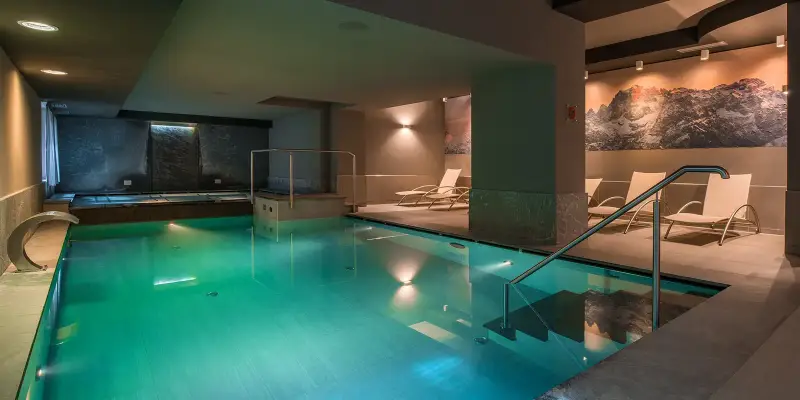
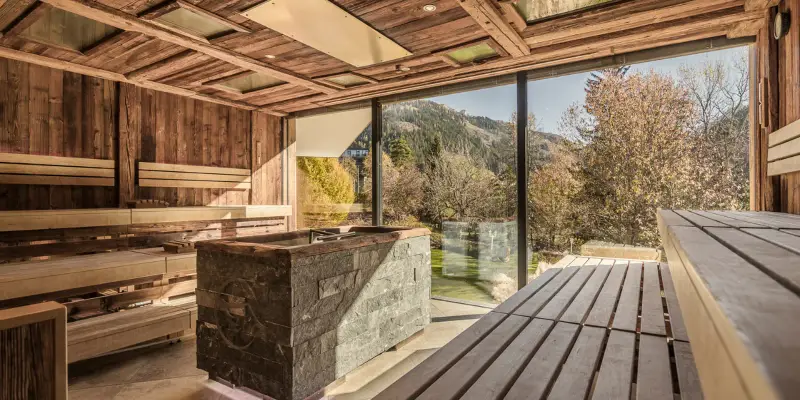
- Andreus Golf & Spa Resort (San Leonardo in Passiria): a cryogenic chamber at −85 °C among the seven pools and the 2,500 m² Sauna World. The hotel stands directly on the Passeier.Meran course.
- Terme di Saturnia: the Golf Inclusive offer (minimum two nights) includes, in addition to the daily 18-hole green fee, one couples' cryotherapy session. The reference course is the Terme di Saturnia Golf Club.
- Quellenhof Lazise: among the services of the 2,000 m² spa is a cryosauna.
How to proceed if you want to try it
In light of what the FDA has reported, there are a few things to ask: talk to your doctor if you have blood pressure, heart or circulation problems or other conditions; ask the spa which technology it uses (the risk from liquid nitrogen is expressly cited) and how the session is supervised; always follow the staff's instructions.
If all you want is recovery after your round, remember that the 2015 Cochrane review found insufficient evidence in favour of WBC compared with rest.
Frequently asked questions
Does cryotherapy work for muscle recovery?+
There is not enough evidence. A 2015 Cochrane review of four studies and 64 young adults concluded that the data are not sufficient to say whether it reduces muscle soreness compared with rest.
Is cryotherapy safe?+
In 2016 the FDA listed risks such as frostbite, burns, eye injuries and, with liquid nitrogen, asphyxiation, and said it had not approved these devices for treating medical conditions. Ask your doctor whether it is suitable for you.
What is the difference between cryotherapy and an ice bath?+
Whole-body cryotherapy is exposure to extremely cold air; an ice bath is immersion in cold water. They are different practices, and the 2015 Cochrane review concerns only the former.
Where can I try it at a golf hotel?+
Among golfers' hotels: Andreus (cryogenic chamber at −85 °C), Terme di Saturnia (couples' session in the Golf Inclusive offer) and Quellenhof Lazise (cryosauna).
How cold does a cryogenic chamber get?+
At Andreus, according to the hotel, the cryogenic chamber reaches −85 °C. It is air cooled to extreme temperatures, not water: it is best to ask the spa about the length and format of the session.
Is it suitable for everyone?+
No, which is why medical advice is recommended. The FDA flagged risks of worsening existing medical conditions and unclear effects on blood pressure and heart rate.