Since 12 April 2025, anyone returning to Great Britain from the European Union can no longer carry cheese, cured meats or other dairy in their luggage: South Tyrolean speck and pecorino bought on holiday will not get through the border, even if purchased at duty free.
The value of a local product in your suitcase depends on three things: whether it is allowed in the country you are returning to, whether it passes airport security and whether it arrives in one piece. With the golf bag already in the hold, it pays to decide before buying. The rules change, and the reference point is always the official customs website of the country of arrival.
The ban that surprises British golfers
The British government website states that anyone arriving from the European Union may not bring in cheese, milk or dairy products such as butter and yoghurt, nor pork, beef, lamb, mutton, goat or venison, sausages included. The ban has applied since 12 April 2025, according to the government announcement, and also covers packaged products and those bought at duty free; in serious cases fines of up to £5,000 are possible in England.
Fish, poultry, eggs and honey remain permitted, as well as up to 2 kg per person of powdered infant milk and special foods for medical needs. For those arriving from non-EU countries the rules are stricter still: no meat or dairy, honey up to 2 kg and fish up to 20 kg per person. In practice, for British travellers speck and pecorino are out; oil, vinegar, wine and sweets made without milk or meat are the simplest route. For other countries, it is worth checking the local customs website.
Liquids on a plane: oil, vinegar and wine go in the hold
Liquids in hand luggage must be in containers of no more than 100 ml, inside a resealable transparent bag of one litre at most, according to ENAC. Oil, vinegar, wine and creams all count as liquids. On 5 August 2025 ENAC announced that only five Italian airports were applying the new European rules allowing liquids above 100 ml; elsewhere the 100 ml rule remained in force. The situation may change, so check the airport website before you leave. The safe solution is just one: bottles wrapped in clothes, in checked luggage.
What to bring: oil, wine, speck and honey
| Product | What to know | For those returning to Great Britain |
|---|---|---|
| Extra virgin DOP oil | Garda DOP is produced in 63 municipalities across four provinces; the label carries a numbered mark (protection consortium) | Not among the products banned on the government page |
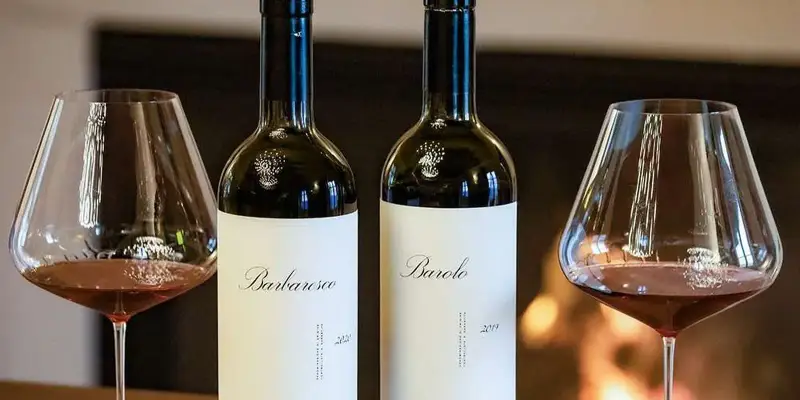
| Wine | Official production rules: Primitivo di Manduria, Vermentino di Gallura, Cannonau (see the dedicated articles) | Not among the products banned on the government page, but check allowances and excise duty |
| Speck Alto Adige PGI | PGI since 1996, at least 22 weeks of curing, 26 authorised producers (protection consortium); vacuum-packed formats exist | Banned (pork) |
| Honey | Other animal products such as eggs and honey are allowed by the EU; from non-EU countries up to 2 kg per person | Allowed |
Speck, the consortium writes, has a minimum curing time of 22 weeks, a maximum salt content of 5% and smoking at no more than 20 degrees; producers also offer vacuum-packed formats suited to travel. For every product, the label designation matters: a DOP or a PGI guarantees origin, but says nothing about whether it can be taken abroad.
Where to buy: farms, wineries and hotels
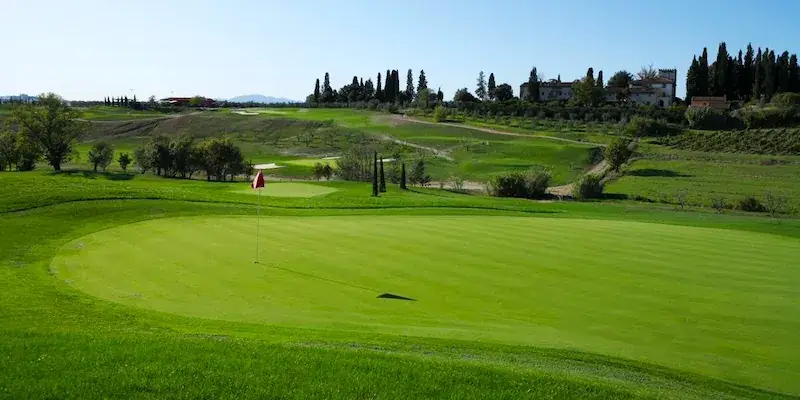
- Oil and wine from a farm inside a golf course. The Golf Club Bellosguardo, in Vinci, has the Fattoria Bellosguardo on its grounds, which produces red and white wines and extra virgin olive oil, available to taste and buy.
- House wines and the FINKI'S line. At the Andreus, in the Val Passiria, the owners' children are the resident sommeliers; with the Kornellhof winery and the Wezl distillery they have created a Merlot, a Pinot Bianco, a grappa and a Fuji apple brandy.
- Wine shop and tastings. At the Parkhotel Marlena, in Marlengo, the wine shop organises wine and oil tastings with the sommelier.
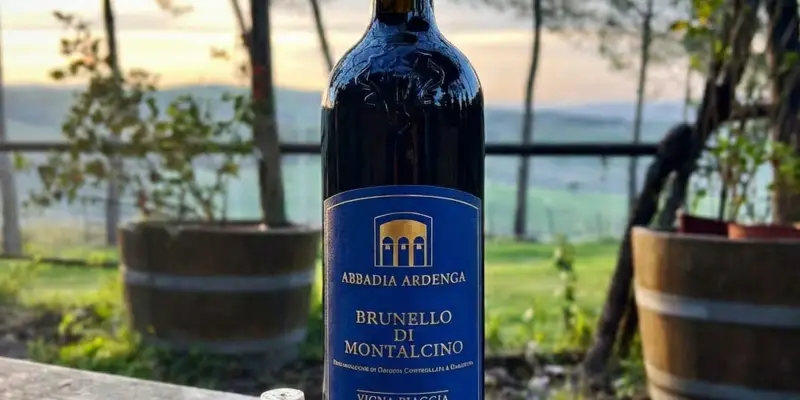
- Brunello and a historic cellar. Castiglion del Bosco, among the 25 founding members of the Brunello di Montalcino Consortium in 1967, has a cellar of 3,000 hectolitres.
- The oil mill dating from the year 1000. Masseria Torre Coccaro has an organic farm and an oil mill whose origins go back, according to the family, to the year 1000.
Whether they sell products to take away or ship them home should be asked beforehand.
How to pack
- Bottles in the hold, wrapped in clothing, ideally in a rigid case if available.
- Fresh animal products: if you are returning to the United Kingdom, leave them behind. For other countries, find out the rules of the country of arrival first.
- Check the airline's weight limit: bottles and jars add to that of the golf bag.
Frequently asked questions
Can I bring cheese into Great Britain from Italy?+
No. Since 12 April 2025 the British government bans cheese, milk and dairy products from the European Union, even if packaged or bought at duty free.
Can I take olive oil on a plane?+
In hand luggage only in containers of 100 ml or less, except at airports applying the rules on larger liquids; in the hold there is no 100 ml limit.
Can I bring speck into the United Kingdom?+
No: the ban covers pork and its products, sausages included.
Can honey be brought in?+
Yes, it is allowed in the United Kingdom from the EU; from non-EU countries up to 2 kg per person.
How long is Speck Alto Adige PGI cured?+
At least 22 weeks, according to the protection consortium.
Where can I buy oil and wine directly from the producer?+
For example at the Fattoria Bellosguardo, in Vinci, which produces wine and oil and offers them for tasting and purchase.