Three clubs designed by Peter Gannon, Stresa, Villa d'Este and Milan, have together hosted 24 editions of the Italian Open. Who was the man who laid out the oldest courses in the North in the 1920s and 1930s?
Add up the editions of the Italian Open played at Golf Alpino di Stresa (the first three), at the Circolo Golf Villa d'Este (twelve) and at the Golf Club Milano (nine): the total is twenty-four, on courses that carry the same signature, that of Peter Gannon. His name is tied to at least six Italian clubs, and none of them can be called ordinary.
Who was Peter Gannon: Irish or English
Information about the designer is fragmentary, and even the clubs disagree: Ugolino describes Peter Gannon as "Irish", Courmayeur as "English".
The dates of the courses are more solid, according to the clubs themselves.
| Year | Club | Notes |
|---|---|---|
| 1924-1925 | Golf Alpino di Stresa | Construction began in 1924, inauguration in September 1925 |
| 1926 | Circolo Golf Villa d'Este | Designed by Gannon, 18 holes, par 69 |
| 1928 | Golf Club Milano | Design by James Peter Gannon; works supervised by Cecil Blandford |
| 1932 | Circolo Golf degli Ulivi, Sanremo | Design attributed to Gannon, inaugurated in 1932 |
| 1934 | Circolo del Golf Ugolino, Florence | Blandford and Gannon |
| 1930s | Golf Club Courmayeur | Revised in the 1940s by Henry Cotton |
Stresa: the cradle of the Italian Open
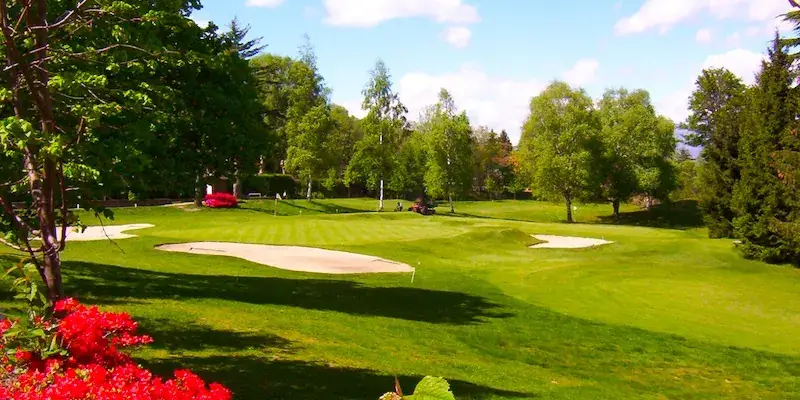
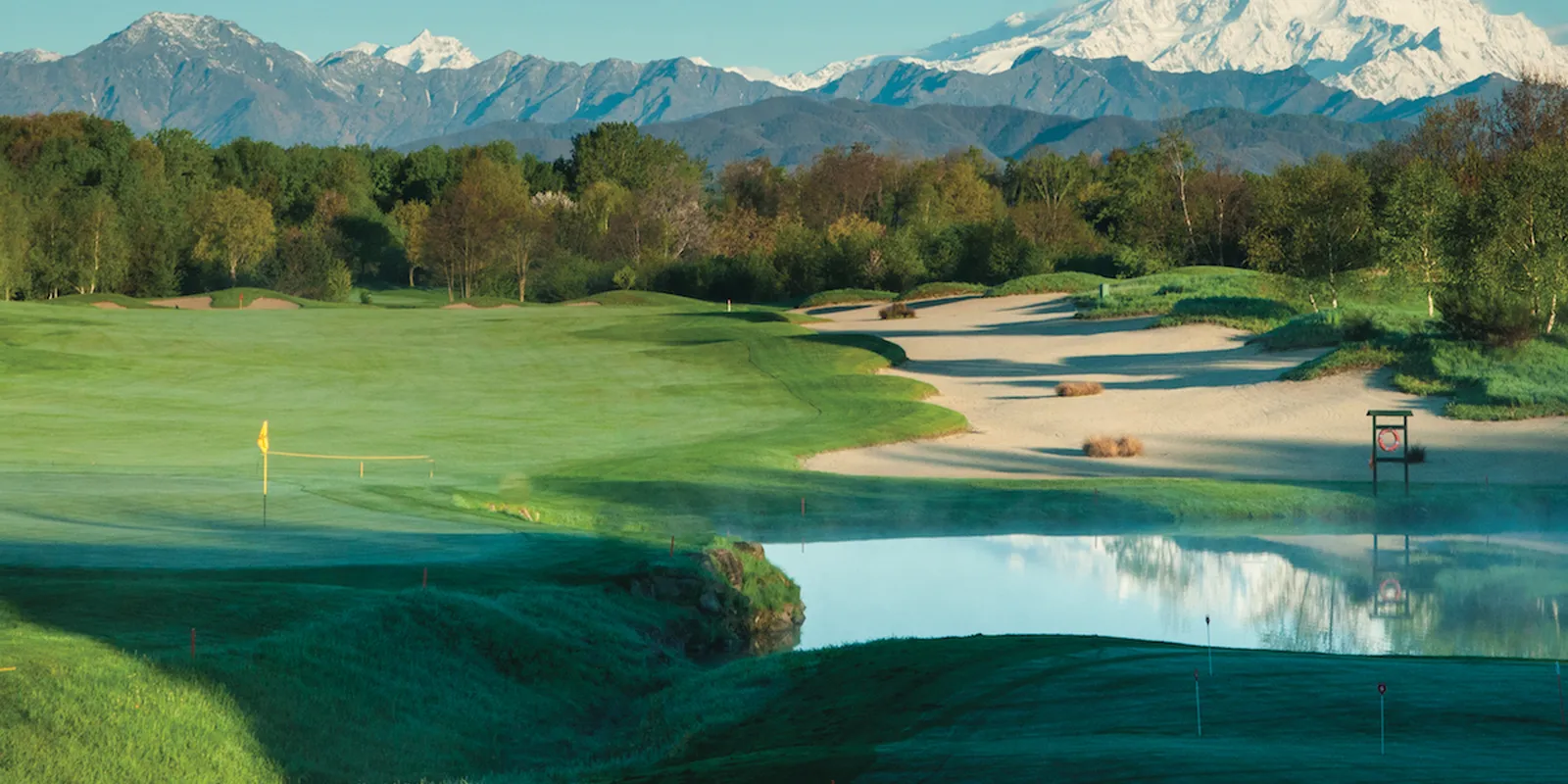
On Mottarone, above Lake Maggiore, the Golf Alpino di Stresa is a mountain-style nine-hole course, played twice for an 18-hole round. In 1924 Gannon began construction, with Francesco Pasquali supervising the works, and the official inauguration took place in September 1925. The club recalls that at the outset there were only three greens ready and no drainage to speak of.
The first three editions of the Italian Open were played here: in 1926 Auguste Boyer won with 147 strokes, in 1927 Percy Alliss with 145, after a playoff with Marcel Dellemagne. In the replay Alliss shot 67, the course record. Today a round costs, according to the price list tied to the 2026 promotional rates, 50 euros on weekdays and 60 on weekends and public holidays.
Villa d'Este: the course designed in 1926
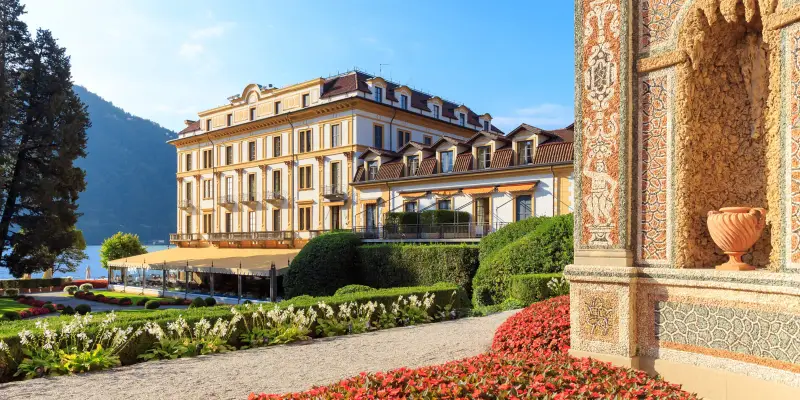
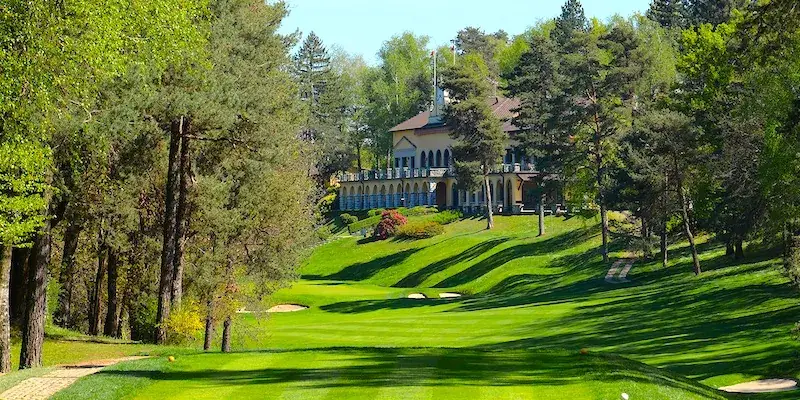
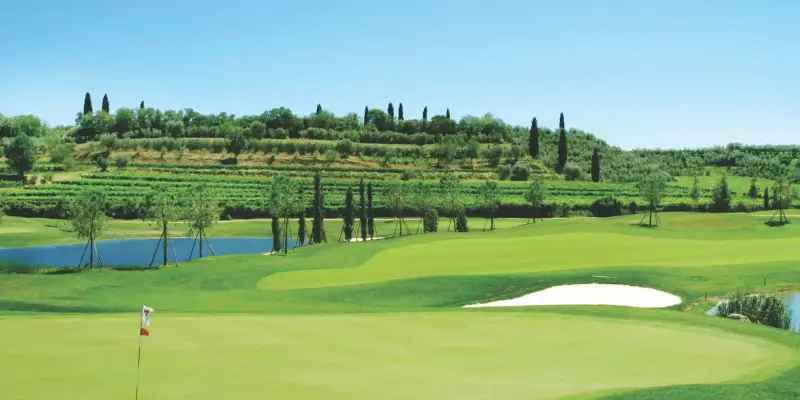
The Circolo Golf Villa d'Este is the most celebrated work. 18 holes, par 69, 5,760 metres at about 400 metres above sea level in a wood of chestnuts, birches and pines, it has hosted twelve Italian Opens and in 2026 celebrates its centenary. The course is open from March to December, except on Tuesdays. Guests of the Villa d'Este hotel in Cernobbio can choose the 2026 golf package, valid from 21 March to 21 November.
Milan: the Monza Park and the nine Opens
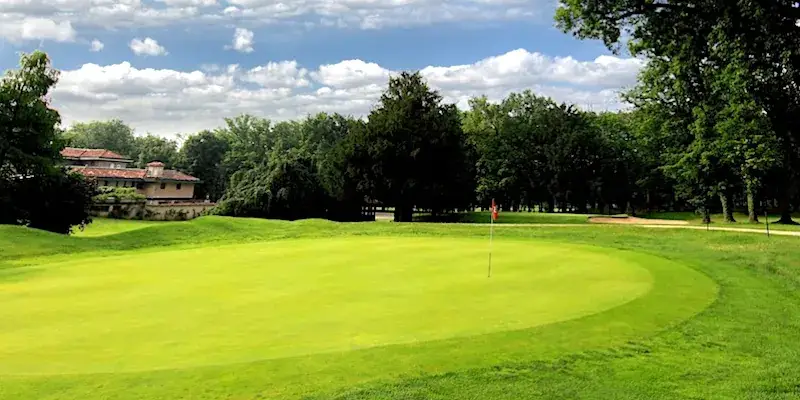
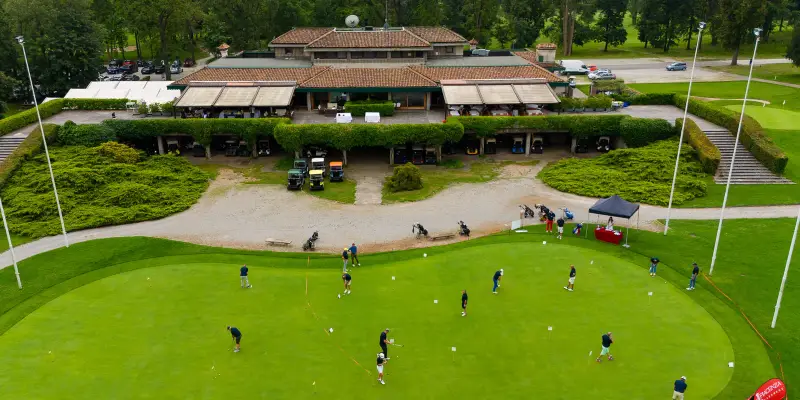
The Golf Club Milano was founded in 1928 in the Royal Park of Monza, in the pheasantry of Victor Emmanuel II. The course, born with nine holes, grew to 18 in 1933; in 1958 a third course was added, designed by Giulio Cavalsani. There have been nine Italian Opens: 1951, 1952, 1956, 1981, 1984, 1990, 2015, 2016 and 2017, with winners such as Sandy Lyle (1984) and Francesco Molinari (2016).
Mind the access rule: at weekends and on public holidays the course is reserved for members and their guests. The secretary's office answers from Tuesday to Sunday on 039 30 30 81.
Sanremo, Florence and Courmayeur: three different hands
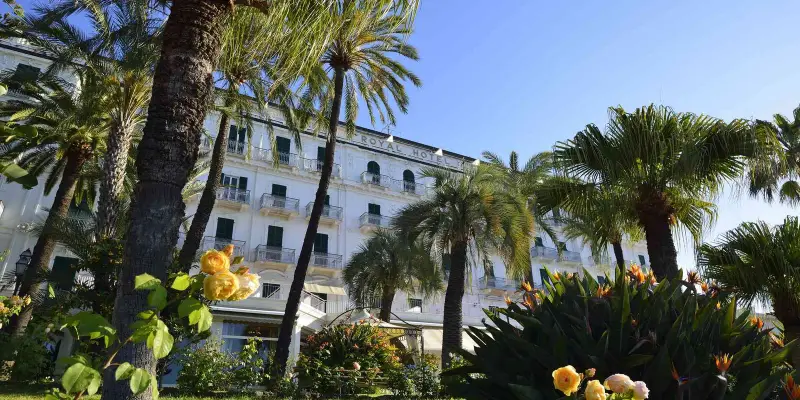
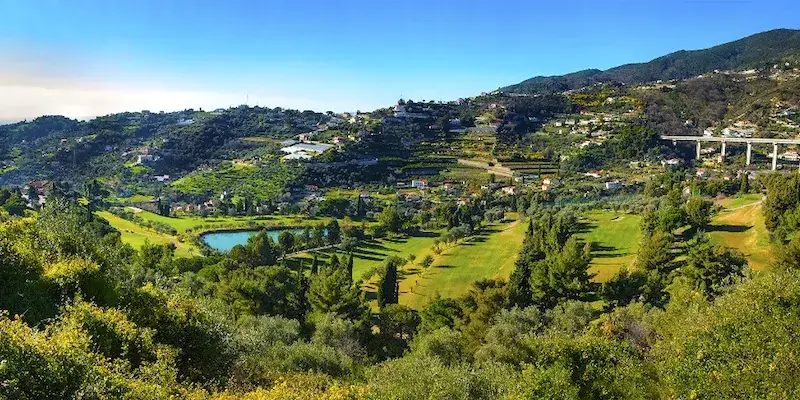
At Sanremo the Circolo Golf degli Ulivi is a par 69 of 5,203 metres with only two par 5s in 18 holes. The 2026 price list shows 65 euros on weekdays and 80 on weekends and public holidays. From the Royal Hotel Sanremo, one of the partner hotels, the Royal Golf Challenge sets off every autumn, on 24 and 25 October in 2026.
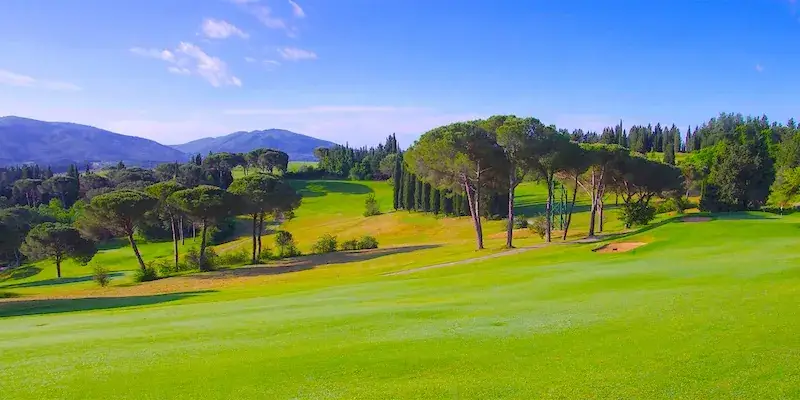
At Impruneta, on the first hills of Chianti, the Golf Ugolino was designed in 1934 by Cecil Blandford and Peter Gannon. The club recalls the 1983 Italian Open, with Severiano Ballesteros's chip-in, and has a futuristic 1930s clubhouse. The 2026 price list shows 130 euros for 18 holes.
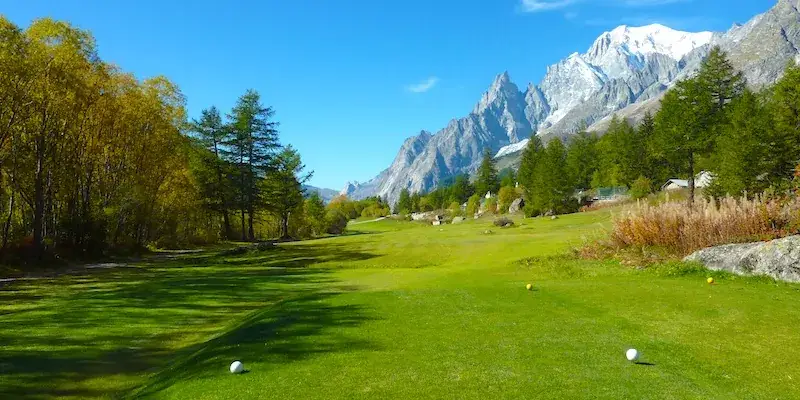
At Courmayeur, in Val Ferret, the nine-hole course plays along the Dora: two par 3s carry over it. The course opens from late May to October and in 2026 green fees for 18 holes range from 59 euros to 99 euros on weekdays in August.
Where to stay on Gannon's courses
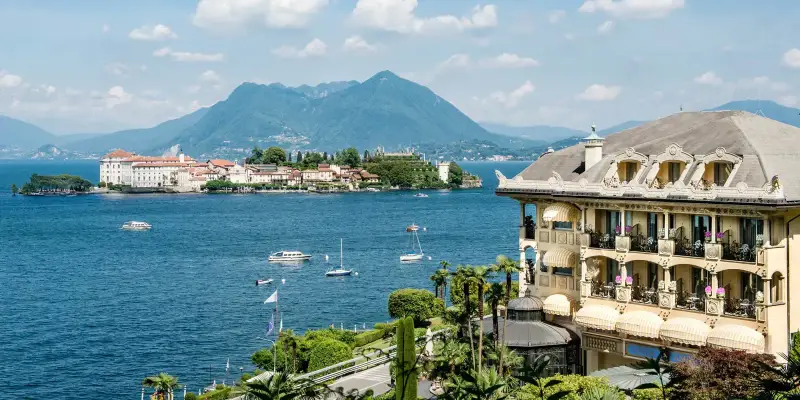
For Stresa, Villa e Palazzo Aminta lists nine partner clubs: the two nearest, at 5 kilometres, are Golf des Iles Borromées and Golf Alpino. The concierge takes care of booking green fees. For Como there is the Villa d'Este, for Sanremo the Royal.
Frequently asked questions
Who designed Villa d'Este?+
Peter Gannon, in 1926. The course is a par 69 of 5,760 metres at Montorfano.
Which Italian courses did Peter Gannon design?+
Stresa, Villa d'Este, Milan, Sanremo, Ugolino (with Cecil Blandford) and Courmayeur are attributed to him, the latter revised by Henry Cotton in the 1940s.
Where were the first Italian Opens played?+
The first three editions were played at Stresa, at Golf Alpino. The club recalls the winners of 1926 and 1927, Auguste Boyer and Percy Alliss.
Can one play at Golf Club Milano?+
It is a private club: on Saturdays, Sundays and public holidays the course is reserved for members and their guests. Guests are welcome up to six times a year; green fees are not published.
Which is the cheapest course among these?+
According to the 2026 price lists, Golf Alpino di Stresa (50 euros on weekdays for 18 holes) and Courmayeur (from 59 euros) are the cheapest; the most expensive is Ugolino, at 130 euros.
Was Peter Gannon Irish?+
It is not certain: Ugolino calls him Irish, the Courmayeur club English.