Across 35,140 nights recorded with wearable devices, 389 professional golfers slept 7.2 hours on average, and those who slept longer and at more regular times finished their rounds with better scores. It is an association, not proof, but it shows where to look before a golf holiday.
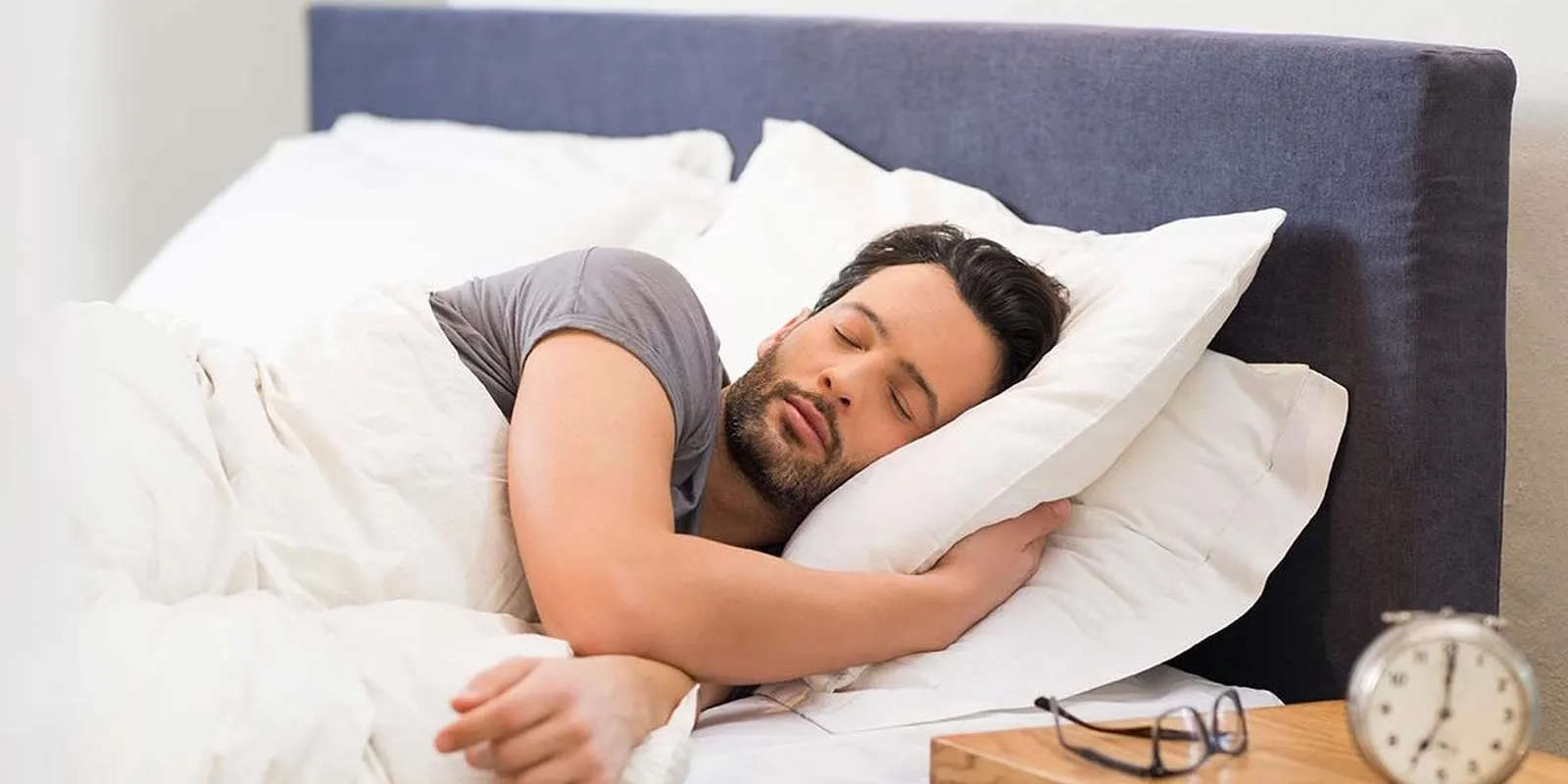
For an adult, US health authorities recommend at least 7 hours of sleep a night. The available studies link more sleep and more regular sleep times to better performance, including in professional golf, but they show an association, not a guarantee: nobody can promise that you will play better just because you slept more.
How many hours you need: the CDC guideline
The simplest reference is the one from the US Centers for Disease Control and Prevention (page dated 15 May 2024): 7 or more hours for ages 18 to 60, 7-9 hours for 61 to 64, 7-8 hours from 65 on. The CDC links insufficient sleep to problems with attention and memory, to a worse mood and more stress, and to a higher risk of road accidents: a detail that matters if you have to drive a rental car to the club the day after you arrive.
These are general guidelines, not personal ones. For specific needs, or for sleep disorders, speak to your doctor.
What the performance studies say
Basketball at Stanford: more sleep, more accuracy
In 2011 the journal Sleep published a study by Mah and colleagues on eleven players from the Stanford University men's basketball team. When the players extended their sleep, the hours slept rose by an average of about 111 minutes compared with the baseline period; the time on a sprint fell from 16.2 to 15.5 seconds, and free-throw and three-point percentages rose by about 9%. The sample is small and the sport is a different one, but the direction is clear.
Professional golf: 389 players, 521 tournaments
A 2026 paper in the International Journal of Sports Physiology and Performance, by Grosicki and colleagues, followed 389 professional golfers across 521 tournaments between 2017 and 2025, with 35,140 nights of data from wearable devices. Average sleep was 7.2 hours. Between players, each extra hour of sleep was associated with lower scores, and so was a 10-point increase in sleep regularity. For individual players, sleep regularity, heart rate variability and recovery score were also associated with better performance. The authors speak of an association: they do not show that sleeping more causes better scores.
What it means for a golf holiday
These data do not say how to sleep while travelling, but they show how much the organisation of a week of golf matters. A few common-sense pointers:
- Check the course opening times. Pevero is open every day from 8:00 am to 7:30 pm; the club at Il Picciolo publishes hours from 8 am to 5 pm in winter and from 8 am to 7 pm in summer. If the course opens at eight, your alarm and breakfast dictate the time you should go to bed.
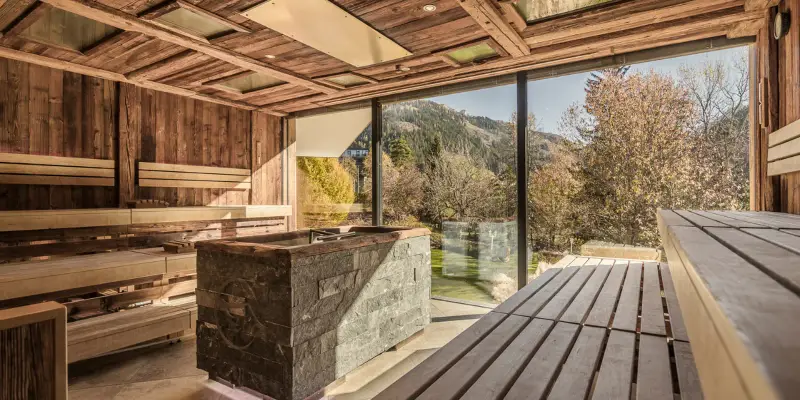
- Look for quiet. Quellenhof Passeier recalls in its history the bypass tunnel that Heinrich Dorfer had built to take the traffic away from in front of the hotel; Castel Fragsburg, twenty suites in the hills above Merano, presents itself as a quiet base for those playing in the area.
- Don't change everything at once. If you arrive after a journey, plan a lighter first day: 9 holes instead of 18 (Pevero, for example, has a rate for 9 holes too).
- Look after regularity, which in the study of professionals was a factor associated with results: similar wake-up and bedtimes on playing days.
These are organisational choices, not therapies. For how to deal with time zones or sleep disorders, the reference is your doctor.
Frequently asked questions
How many hours of sleep does a golfer need?+
For an adult aged 18 to 60 the CDC recommends at least 7 hours a night; 7-9 hours between 61 and 64 and 7-8 after 65. In the sample of 389 professional golfers in the 2026 study the average was 7.2 hours.
Does sleeping more really improve your score?+
The 2026 study of professionals finds an association between more sleep, regular sleep times and lower scores, but it cannot prove a cause. In basketball, the Stanford study of eleven players observed improvements after the players extended their sleep.
Does the quantity or the regularity of sleep matter more?+
In the 2026 study both were associated with scores: each extra hour of sleep and each 10-point increase in regularity were linked to lower scores.
What should I look at when booking a hotel?+
The time of the first tee time, the distance from the course and a quiet setting. For example, Quellenhof Passeier is a five-minute drive from Golf Club Passeier Meran, and Castel Fragsburg is about half an hour from the courses in Val Passiria and Lana.
Sleep and time zones: are there any rules?+
For jet lag, the reference is your doctor, to be consulted before you leave. In practical terms, a lighter first day helps, with 9 holes instead of 18.